Solutions for overseas EC businesses to enter the Japanese EC market and expand sales channels

Cross-Border Consumption: A Growing Trend in Japan’s E-Commerce Market
Japan’s e-commerce market, particularly in product sales, is on track to reach ¥15 trillion by 2024 and is expanding steadily each year. This growth is driven by a surge in foreign brands entering the Japanese market, including Chinese and Korean cosmetics, fashion, and food products. At the heart of this trend is "cross-border consumption", a purchasing behavior that is particularly strong among Japanese women in their teens and twenties.
The Rise of Cross-Border Consumption
Cross-border consumption is rapidly gaining traction in Japan, presenting a significant opportunity for international businesses. This trend has largely been fueled by influencers, who are shaping the purchasing habits of young women in Japan. Surprisingly, many Japanese companies have yet to fully leverage influencer marketing, creating an opening for overseas products to capture attention in what could be described as a "Promotional white space."
Recently, a new trend has emerged: mother-daughter consumption, where cross-border products are being embraced not just by younger women in their teens and twenties but also by women in their 40s and 50s. This trend has even extended to women in their 30s, particularly those in the workplace. As a result, more than half of women across Japan—ranging from their 20s to 50s—have now engaged in cross-border consumption.
E-Commerce: The Main Driver of Cross-Border Consumption
The primary channel for cross-border consumption in Japan is e-commerce, with a significant portion of international products being sold online. While the exact percentage can vary by product category, it's estimated that around 50% of products imported into Japan are sold via e-commerce platforms. This highlights the importance of choosing the right sales channel, depending on the type of product and target audience you’re aiming to reach.
Understanding Japan’s E-Commerce Landscape
Japan’s e-commerce market is typically divided into two categories: Standalone E-Commerce Sites (with their own domains) and Online Marketplaces platforms, such as Rakuten Ichiba, Amazon, Qoo10, and others. Cross-border consumption is particularly thriving on mall e-commerce platforms.
As of 2024, major players in the mall e-commerce space for cross-border consumption include Rakuten Ichiba, Amazon, Qoo10, and the rapidly growing AliExpress and Temu.
Here’s a breakdown of the key platforms:
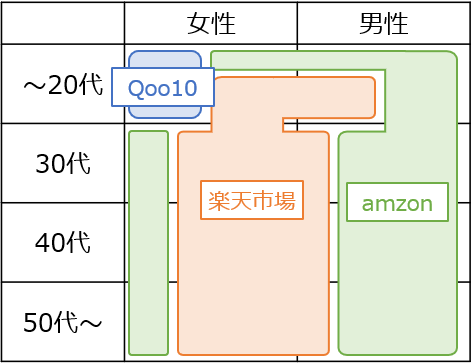
- Rakuten Ichiba: Has a broad, diverse user base across all genders and age groups.
- Amazon: Especially popular among male users, with a strong focus on a wide range of products.
- Qoo10: Particularly favored by women in their 20s, who are seeking Korean beauty and fashion products.
Best Strategies for Overseas Brands in Japan
While some international companies have launched their own e-commerce sites for the Japanese market, it's generally recommended to first establish a presence on major mall platforms. These platforms offer greater exposure and can help you build a customer base before launching your own site. Many overseas brands start by selling on these platforms and then expand to their own e-commerce sites once they’ve gained traction or set up physical stores in Japan.
This demonstrates just how popular cross-border consumption is on e-commerce malls. For international companies looking to enter the Japanese market, these platforms are a vital part of the strategy.
How Funai Consulting Can Support Your Success in the Japanese Market
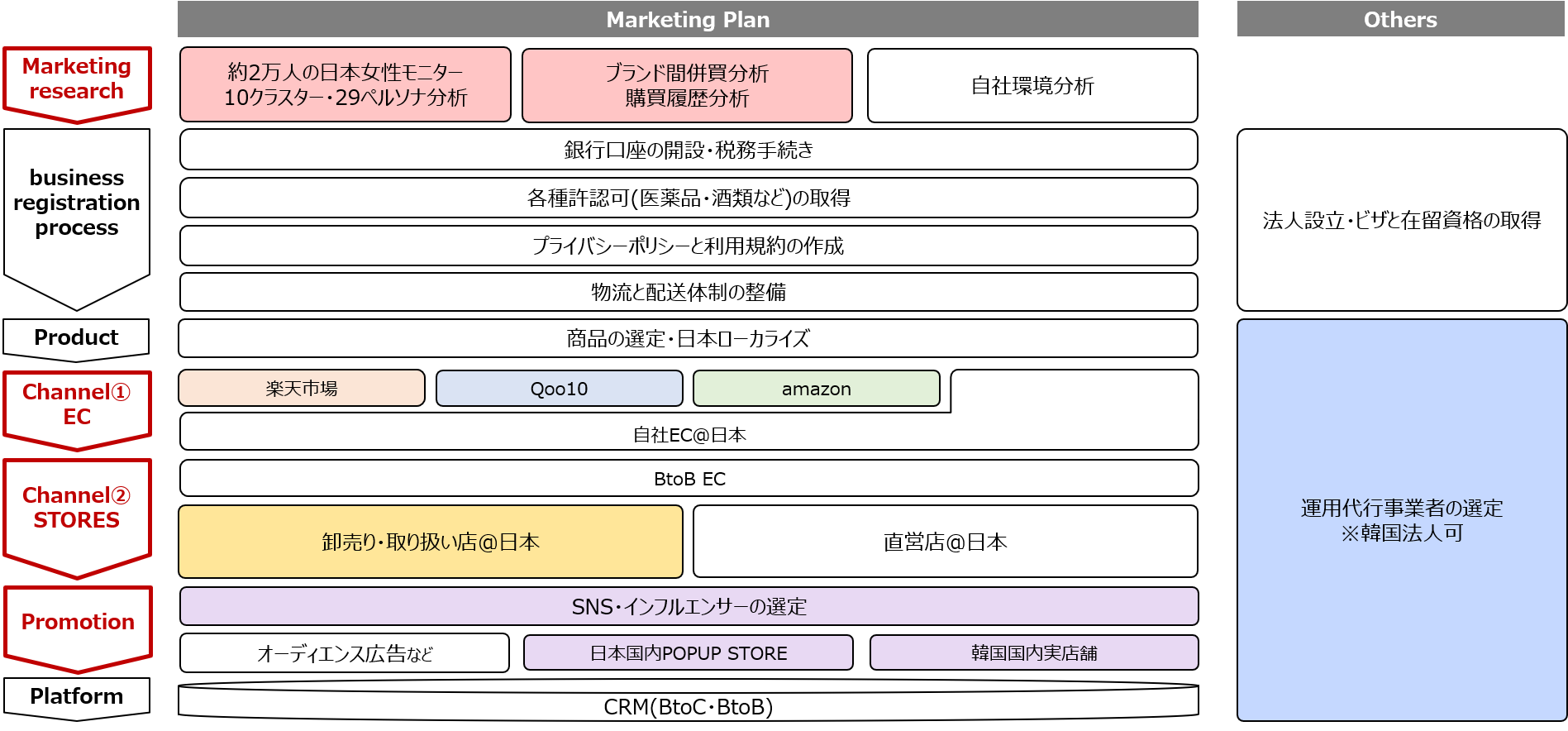
At Funai Consulting Research Institute, we do more than just create marketing strategies - we connect you with the right partners to bring those strategies to life. Here's how we can help:
1.Marketing research
We begin by building detailed consumer personas based on factors like gender, age, work style, and family structure. By combining this with purchase data from model companies, we analyze the market and map out the customer journey. This helps us understand how consumers will interact with your brand once you enter the Japanese e-commerce market.
2.Channel 1: E-Commerce Mall (Mall EC)
Cross-border consumption is booming in Japan’s e-commerce malls. You’ll need to decide whether to manage your e-commerce operations directly or partner with a third-party provider. Funai Consulting Research Institute can help you choose the best partner for your needs, whether you decide to take control or outsource the operations.
3.Channel 2: Directly Managed Store & Dealers
After gaining traction on e-commerce platforms, expanding into physical retail can be a great next step. We can help you identify and connect with trusted partners to open directly managed stores or work with dealers across Japan, drawing on our extensive local network.
4.Promotion. & Influencer Marketing
Influencers play a huge role in driving cross-border consumption in Japan. We’ll help you select the right influencers for your brand and design targeted promotional campaigns to raise awareness and boost sales.